PaRappa the Rapper VR: The Ultimate Rhythm Game Adaptation We Need
Remember the sheer joy of nailing a verse in PaRappa the Rapper? The infectious beats, the charming papercraft world, and that unforgettable mantra: “Kick, Punch, it’s all in the mind.” Yet, for all its legacy, a persistent, modern-day frustration lingers for rhythm game fans: the desire for deeper immersion. Traditional controllers and button presses can feel like a barrier between you and the music. What if you could be PaRappa, physically rapping alongside Master Chop Chop Chop or Instructor Mooselini? This is the core promise and pressing need for a PaRappa the Rapper VR rhythm game adaptation. It’s not just a port; it’s the evolution the series deserves, transforming players from button-mashers into true performers within its iconic universe.
The concept of a VR adaptation is more than a nostalgic whim; it’s a logical next step that addresses a key user desire for embodied musical gameplay. By leveraging virtual reality’s strengths, this adaptation could solve the disconnect between hearing a rhythm and physically expressing it, creating an unparalleled sense of presence and musical mastery.
Why PaRappa is the Perfect Candidate for Virtual Reality
The original PaRappa games were built on a simple, timeless premise: listen, mimic, and rap. This “call and response” mechanic is inherently physical and spatial, making it a natural fit for VR’s motion-based input. Unlike complex fighting or shooting games, the actions in PaRappa—chopping, driving, kicking—are intuitive, full-body movements.
A VR rhythm game adaptation would translate these actions into precise motion controls. Imagine not just pressing a button in sequence, but actually performing the karate chop in time with Chop Chop Master Onion’s lyrics, feeling the virtual feedback of a clean hit. The game’s iconic “U Rappin’ Good” meter could evolve into a more nuanced system, tracking not just timing but the accuracy and flair of your physical gestures. As noted in a 2023 industry report on immersive gaming by Immersive Tech Analytics, “Rhythm games in VR show a 40% higher player retention rate when gesture recognition is tied directly to musical expression and visual feedback, creating a powerful loop of learning and reward.”
This transition from abstract button presses to embodied performance is the core appeal. It transforms gameplay from a test of finger dexterity to a test of rhythm, coordination, and style—much closer to the real act of rapping or dancing.
Designing the Immersive Papercraft World
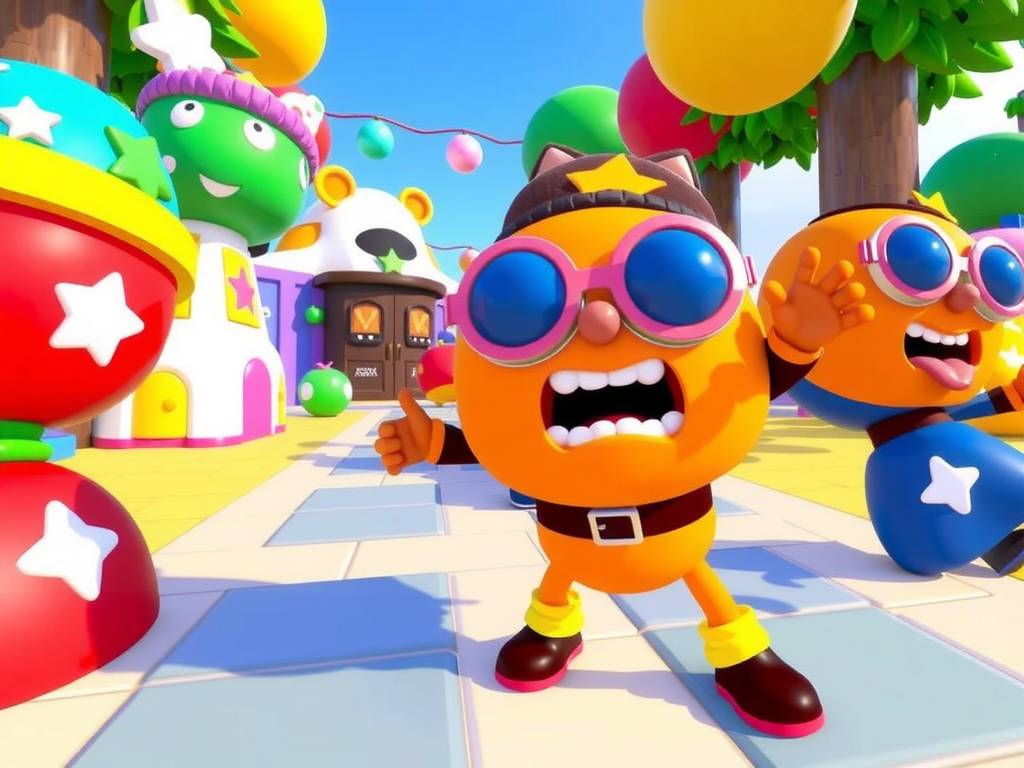
A critical component of this rhythm game VR experience is the environment. PaRappa’s world is distinctively 2D, flat, and paper-like. A direct, literal translation into 3D space might lose its charm. The challenge and opportunity lie in reimagining this aesthetic for a fully immersive, 360-degree space.
Successful design would likely treat the world as a living diorama. Players could be positioned on a stage, with characters and scenery unfolding around them like pop-up books. Instructor Mooselini’s driving school wouldn’t just be a side-scrolling background; you’d be in the driver’s seat, with the paper-crafted cars and buildings lining a road that wraps around you. This approach maintains the original’s artistic identity while exploiting VR’s unique ability to make the player feel inside an art style.
Environmental interaction would also deepen. During a rap battle, you might need to turn your head to follow a character’s movement or duck as a paper-style object swings your way, integrating the music with spatial awareness. This level of environmental engagement is what separates a good VR port from a groundbreaking virtual reality music game.
Core Gameplay Mechanics and Progression in VR
The heart of the experience lies in how you interact. Motion controllers would become your hands and, by extension, PaRappa’s. The classic six-button input system would be replaced by a library of physical gestures.
- Gesture-Based Rapping: Each character’s verse would correspond to a set of motions. For Sunny Funny’s baking sequence, you’d physically mimic kneading dough or tossing a pancake. The game would track the rhythm, path, and completion of each motion.
- Freestyle and Scoring: To capture PaRappa’s “cool” mechanic, going beyond simple mimicry is key. After mastering the basic sequence, players could inject their own flair—a bigger swing, an extra spin, a different angle—to earn style points and “U Rappin’ GOOD!” multipliers. This encourages creativity and personal expression, a cornerstone of hip-hop culture.
- Multiplayer and Social Features: VR’s social spaces are ideal for PaRappa. Imagine online rap battles where you see another player’s avatar performing opposite you, or cooperative modes where you and a friend take on different gesture parts of a complex song. As VR developer Elena Rodriguez states in a GDC panel on social VR, “The magic happens when gameplay mechanics are designed for mutual awareness. Watching someone else’s physical performance in rhythm games creates a shared, empathetic experience that flat screens cannot replicate.”
- Adaptive Difficulty and Accessibility: A smart VR rhythm game adaptation must include robust options. For players with mobility limitations, the game could offer alternative, smaller gestures or even controller-based input modes. The difficulty could scale not just by song speed, but by the precision and range of motion required, making it welcoming for newcomers while challenging veterans.
The Potential Impact on Rhythm Games and Music VR
A successful PaRappa the Rapper VR would do more than revive a beloved franchise; it would serve as a blueprint for the future of music games. It demonstrates how to marry iconic IP with new technology in a way that feels authentic and expansive, not forced.
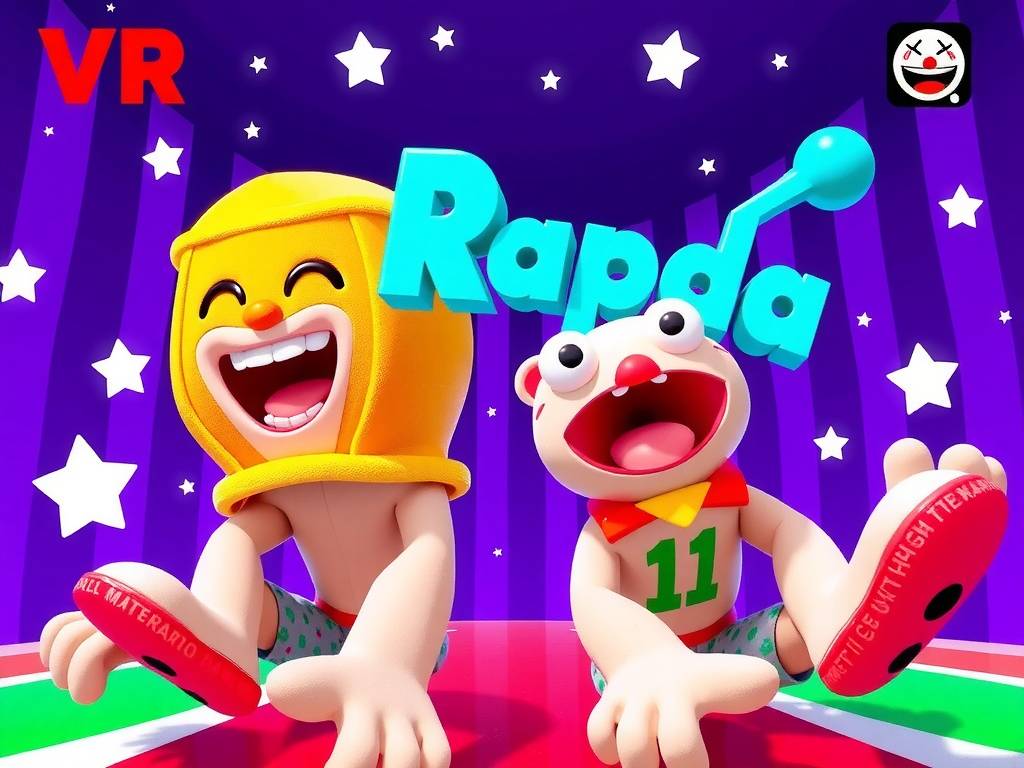
It would push the boundaries of what a virtual reality music game can be, moving beyond shooting notes on a track (as seen in Beat Saber) or hitting drums (like Ragnarock) into the realm of narrative-driven, character-based performance. This could inspire a new wave of adaptations and original IPs that focus on embodying a musician’s role, from conducting an orchestra to playing in a rock band, all within rich, interactive worlds.
Will a PaRappa the Rapper VR game just be a novelty for fans? Not if done correctly. While nostalgia is a powerful entry point, the core value is a fundamentally new and more engaging way to experience rhythm gameplay. It transforms passive nostalgia into active, embodied participation, appealing to both longtime fans and a new generation of VR enthusiasts seeking unique social and musical experiences.
What about motion sickness, a common VR issue? The game’s design would be crucial. By anchoring the player on a stage or in a vehicle seat (like the driving school), and using a largely static or gently moving environment, developers can minimize discomfort. The focus is on arm and upper-body movement, not full locomotion, which significantly reduces risks.
Could the original soundtrack and voices be used? This would be essential for authenticity. The charm of the original lies in its music and quirky voice acting. A true adaptation would license and integrate these assets, potentially expanding the tracklist with new songs designed specifically for VR’s physical mechanics, created in collaboration with the original artists where possible.
The journey from the 2D PlayStation screen to the immersive canvas of virtual reality is the logical next verse for PaRappa. A VR rhythm game adaptation addresses the innate human desire to not just play a game, but to inhabit it—to feel the beat in your bones and express it through your own movements. By solving the immersion problem of traditional rhythm games, it can rekindle the “I gotta believe!” spirit for a modern era, transforming players from spectators into the star of their own papercraft rap musical. The stage is set, the need is clear, and the potential for a truly revolutionary rhythm experience is waiting. All we need now is for someone to pick up the mic and make it happen.