Have you ever dreamed of tossing a virtual pizza dough high into the air, watching it spin against a backdrop of a digital Italian sunset? If you're one of the many who have fallen in love with the quirky, chaotic charm of Pizza Simulator VR, you know the thrill of mastering the art of the perfect pie from the comfort of your own play space. But what if that culinary creativity could reach beyond the four walls of your virtual pizzeria? What if you could share your creations with the world? That’s the exciting premise behind the latest buzz in the VR gaming community: the potential for a Pizza Simulator VR delivery expansion.
For years, players have been asking, "When can I actually deliver these pizzas?" The core game brilliantly simulates the high-pressure environment of a busy kitchen, but the journey has always ended at the oven. The introduction of a delivery mechanic isn't just a new feature; it's a paradigm shift that would transform the entire gameplay loop, adding layers of strategy, exploration, and unexpected challenges.
Imagine this: you've just survived the lunch rush. A dozen perfectly crafted pizzas have emerged from your oven, each one a testament to your topping-slinging skills. But now, the orders aren't just for in-house customers. A new notification pops up on your virtual order screen: "DELIVERY REQUEST: Large Supreme to 42 Pixel Avenue. Time Bonus: +5 mins." You carefully box the steaming pizza, grab your delivery bag, and head out the back door of your pizzeria, not into a loading screen, but into a vibrant, open-world city.
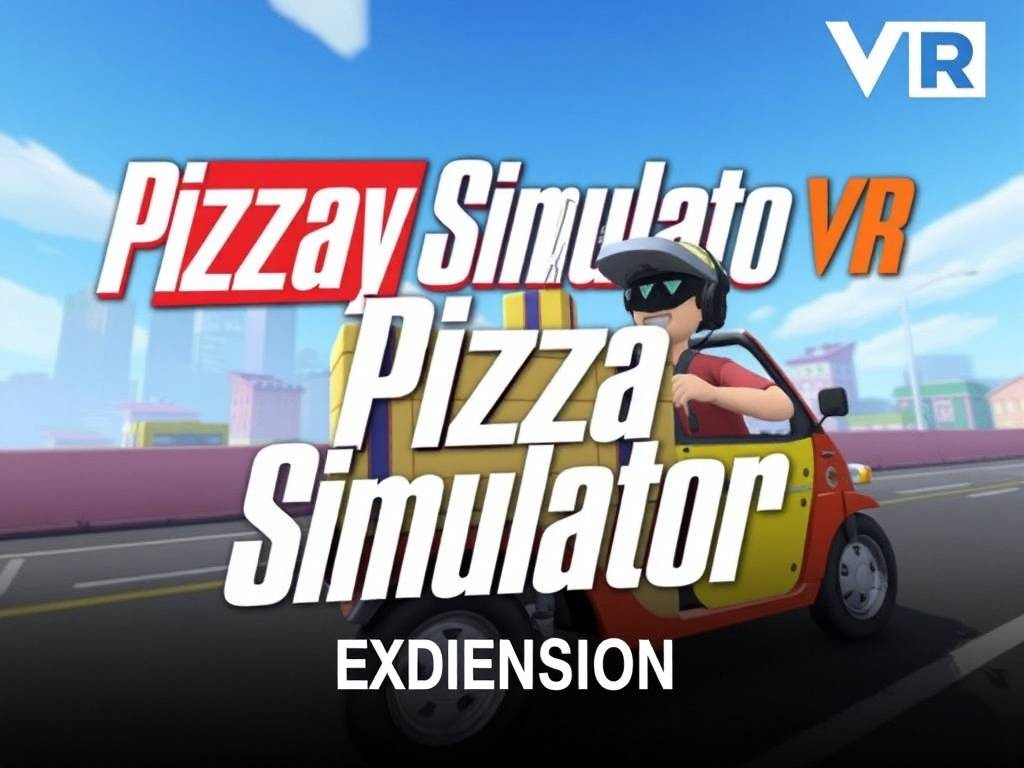
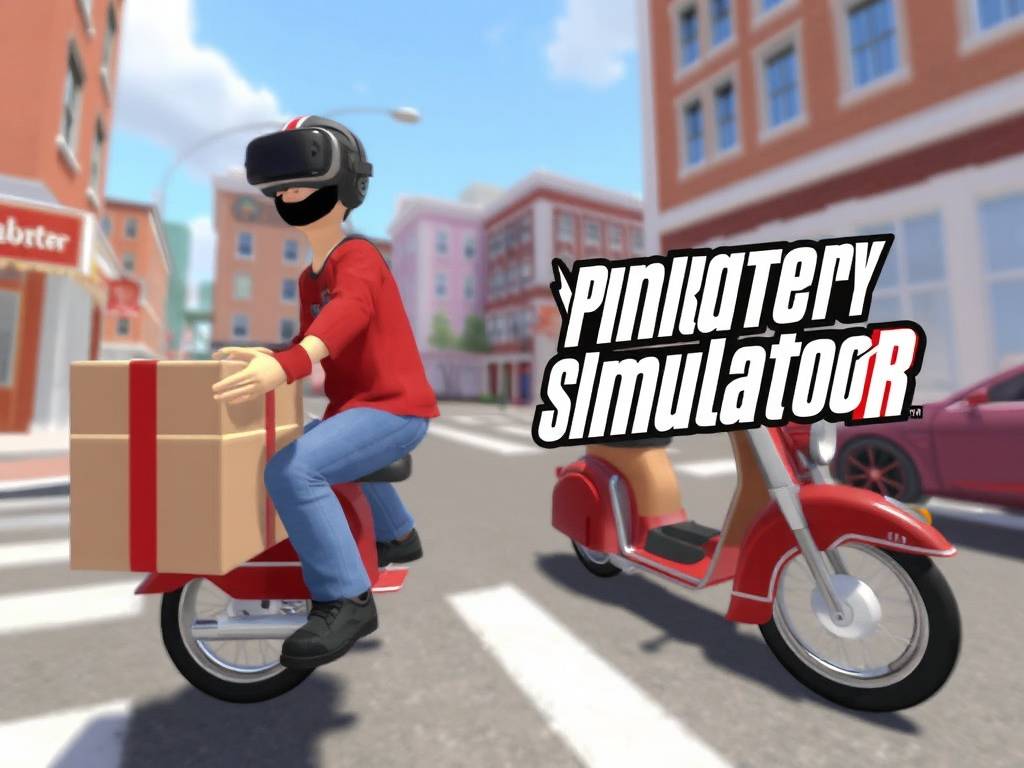
This is where the true VR pizza delivery simulation begins. The city is your new playground, filled with diverse neighborhoods, from the bustling downtown core to the quiet, maze-like suburbs. Your trusty scooter, which you can customize with new paint jobs and upgraded engines, awaits. The transition from kitchen to road needs to be seamless, maintaining the immersive first-person perspective that makes VR so compelling.
The core gameplay loop would now consist of three distinct, interconnected phases: Kitchen Crafting, Route Navigation, and Customer Interaction. Each phase presents its own unique set of challenges and rewards, ensuring the experience remains fresh and engaging.
The first phase, Kitchen Crafting, remains the heart of the game, but with new stakes. Now, the quality of your pizza doesn't just affect your in-game tip; it impacts your delivery rating. A poorly made pizza with soggy crust or uneven toppings might lead to a negative review from the customer, even if you deliver it on time. You'll need to consider how the pizza will travel. Should you go lighter on the sauce to prevent a soggy box? These small strategic decisions add a new layer of depth to the preparation process.
Once the pizza is boxed and secured in your thermal delivery bag, you enter the second phase: Route Navigation. This is far more than a simple point-A-to-point-B mini-game. We're talking about a fully realized immersive pizza delivery experience. You'll mount your scooter, feel the virtual handlebars in your hands, and navigate through a dynamic city.
Traffic becomes your new nemesis. You'll need to weave through slow-moving cars, obey (or strategically ignore) traffic lights, and watch out for unpredictable pedestrians. The city could feature dynamic weather systems. A sudden downpour will make the roads slippery, reducing your traction and forcing you to drive more cautiously, potentially eating into your delivery time. A thick fog might obscure your vision, making it harder to read street signs.
But it's not all obstacles. The city can be filled with opportunities. Discovering and memorizing clever shortcuts through back alleys could be the key to achieving a "Perfect Delivery" bonus. You might encounter random events—a parade blocking the main road, a lost tourist asking for directions (which could be a mini-game for a small tip or time reward), or even a rival delivery driver trying to beat you to the same address.
Finally, you arrive at the delivery location, initiating the third phase: Customer Interaction. This is where your virtual reality cooking game meets a social simulation. You'll approach the door, pizza bag in hand, and ring the bell. The customer who answers could be anyone—a friendly non-player character (NPC) who gives a generous tip, a grumpy one who complains about the wait, or even a character from a completely different game genre, adding a layer of humor and surprise.
Some deliveries might have special instructions. "Leave it on the porch and don't ring the bell—the baby is sleeping!" or "Please bring extra napkins!" Failing to follow these instructions could result in a reduced payout. This phase makes the world feel alive and reminds you that you're not just delivering food; you're providing a service to a community of virtual people.
To support this expanded gameplay, a robust progression and customization system would be essential. As you earn money from your successful deliveries, you could invest in upgrades that directly impact your efficiency.
Your scooter is your lifeline. Starting with a basic, slow model, you could save up for engines with higher top speeds, better brakes for navigating tight corners, and even off-road tires for taking those daring shortcuts through parks. Cosmetic customizations like new helmets, decals, and horn sounds would allow players to express their personal style.
The pizzeria itself could also be expanded. Perhaps you could purchase a second oven to handle multiple orders during a rush, or invest in a better delivery bag that keeps pizzas hotter for longer, preserving their quality score on long-distance trips. Unlocking new, premium ingredients would allow you to craft more expensive pizzas for high-paying clients in the affluent district of the city.
A natural extension of the delivery system would be a multiplayer co-op pizza delivery mode. The kitchen rush could be a coordinated dance between two or more players—one focusing on dough and sauce, another on toppings, and a third managing the oven and boxing. Then, one or two players could jump on their scooters and become the delivery team, communicating via voice chat to coordinate the quickest routes. Alternatively, a competitive mode could see players racing to fulfill the same set of orders, trying to outperform each other on both speed and pizza quality.
For players seeking a truly intense challenge, a "Hardcore Mode" could be introduced. In this mode, the consequences are more severe. Running a red light might result in a traffic ticket that deducts from your earnings. A major accident could damage your scooter, requiring an expensive repair. One bad review from a customer could significantly impact your overall business rating, making it harder to get new orders. This mode would cater to the players who have mastered the base game and crave a more realistic and punishing interactive pizza making simulator experience.
The beauty of a delivery expansion is its potential for endless new content. The developers could regularly add new neighborhoods to the city map, each with its own architectural style and traffic patterns. Seasonal events could introduce special delivery challenges—delivering holiday-themed pizzas during a virtual snowstorm in December, or navigating increased traffic during a summer festival.
The community aspect would flourish. Players could share their most profitable delivery routes, showcase their tricked-out scooters, and commiserate over their most disastrous deliveries. The stories that emerge from this blend of cooking, driving, and social interaction would be unique to every player, creating a deeply engaging and replayable VR restaurant management game.
Ultimately, the Pizza Simulator VR delivery expansion is more than just a new set of tasks; it's the evolution of the game into a more complete and satisfying simulation. It takes the satisfying core loop of crafting and elevates it by giving your creations a purpose and a destination. It transforms the game from a stationary kitchen experience into a dynamic adventure where you are the master of your own small business, from the kitchen to the customer's doorstep. It answers the player's desire for more agency, more world, and more meaningful interaction. The oven timer is ticking, the city is waiting, and a hungry customer is just a quick scooter ride away. It's time to deliver.