
Imagine stepping into the Louvre, the MoMA, or the Uffizi, not through a crowded airport or after waiting in a long ticket line, but instantly, from the comfort of your own living room. Now, imagine going a step further—not just visiting these hallowed halls, but building them yourself, curating your own collections from a global digital repository, and inviting friends from across the world to admire a Van Gogh under a simulated setting sun. This is the promise and the profound evolution of the Art Gallery Simulator VR Exhibition Expansion. It’s not merely an update; it’s a paradigm shift, transforming a solitary viewing experience into a dynamic, social, and deeply personal platform for artistic expression and connection.
The core concept of this expansion is the move from passive observation to active creation. The base experience of Art Gallery Simulator VR likely offered a beautifully rendered, pre-built gallery with a set collection of masterpieces. It was a fantastic digital museum tour. The expansion shatters those pre-defined walls. It introduces a comprehensive, intuitive, and powerful suite of creative tools that puts you in the role of architect, curator, and gallery director all at once. You are no longer just a visitor; you are the creator of your own cultural institution.
Let's walk through the process of building your dream gallery. The first step is choosing your canvas. The expansion provides a variety of architectural templates. Do you envision a classic, marble-columned neoclassical space with vast, echoing rotundas? Or perhaps a sleek, minimalist contemporary gallery with polished concrete floors and adjustable track lighting? Maybe you're drawn to something more unconventional—an open-air gallery in a virtual forest, with paintings hanging between ancient trees, or a surrealist space where gravity is optional and rooms shift and morph. The template is your starting point, the foundational skeleton of your vision.
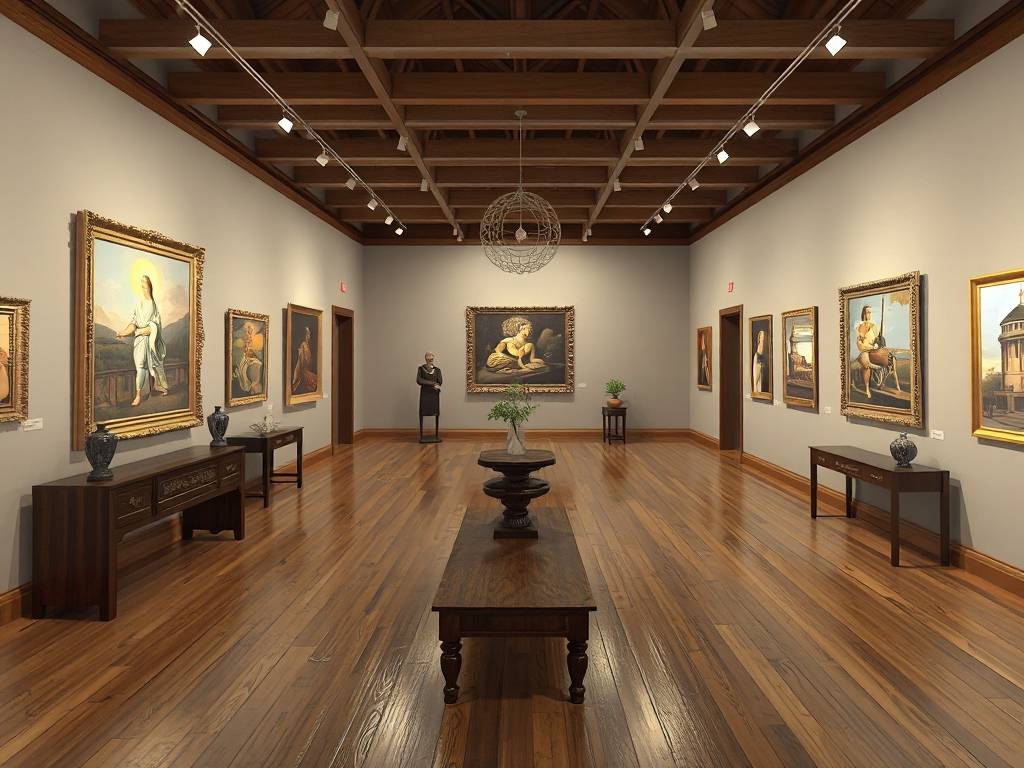
Once the skeleton is in place, the real magic begins with the interior design and layout tools. This is where your personal taste truly shines. You can drag and drop walls, adjust ceiling heights, and place archways and doorways to create a unique flow. The lighting system is a masterpiece in itself. You aren't just turning lights on and off. You can place individual spotlights, adjust their intensity and color temperature, and create dramatic focal points. Want to simulate the warm, golden hour glow falling perfectly on a Renaissance portrait? You can. Prefer the cool, clinical light of a modern art installation? That’s available too. You can add ambient elements—the soft sound of rain against a skylight, the faint echo of footsteps in a large hall—to complete the sensory experience.
Of course, a gallery is nothing without its art. This is where the expansion’s most ambitious feature comes into play: the Global Digital Art Repository. This is a constantly updated, licensed library containing thousands of high-resolution artworks from museums, private collections, and living artists worldwide. You can browse by period, movement, artist, or theme. Fancy a room dedicated to Post-Impressionism? Pull works by Cézanne, Gauguin, and Seurat. Want to create a dialogue between ancient Japanese woodblock prints and modern graphic design? The repository makes it possible. This feature addresses a key user need: access. It democratizes art curation, giving everyone the keys to the world’s greatest collections.
For those who want to push boundaries further, the expansion includes tools for importing custom artwork. This is a game-changer for digital artists, photographers, and even families who want to display their own creations. You can upload 2D images, 3D sculptures, and even animated digital pieces, seamlessly integrating them into your gallery spaces. This transforms the simulator from a museum replica into a vibrant, living platform for the entire creative community.
Now, your masterpiece gallery is built and curated. It’s a stunning personal achievement. But art craves an audience. The social and multiplayer features of the expansion are what turn a personal project into a shared cultural event. You can open your gallery to the public, sending out virtual invitations to friends or listing it on a public server for anyone to visit. When others enter your space, they appear as customizable avatars. You can see them, hear them, and talk to them in real-time through spatial audio—their voices get louder as they get closer and fade as they walk away, just like in real life.
This enables a completely new form of social interaction. You can lead guided tours, explaining your curatorial choices and the stories behind the artworks. You can stand with a friend in front of a complex abstract painting and discuss what it means to each of you. The isolation of a single-player VR experience is replaced by the warmth of shared discovery. Imagine hosting an opening night event for your new exhibition, where avatars mingle, chat, and appreciate the art together. It’s a powerful antidote to physical distance, creating a genuine sense of presence and community.
Beyond socializing, the expansion introduces structured collaborative features. Multiple users can be granted "curator" status, allowing a team to work together on a single gallery project. One person can be in charge of architecture, another of lighting, and a third of selecting the artwork from the repository. This makes it an incredible tool for educational projects, remote team building, or collaborative artistic endeavors. The ability to co-create a space in real-time, from different parts of the world, is a uniquely powerful aspect of this virtual reality art platform.
The applications of this expanded simulator extend far beyond casual entertainment. In education, it’s a revolutionary tool. A history teacher can build a gallery filled with artifacts and art from the Renaissance, and then take an entire class of students on an immersive field trip without leaving the classroom. An art professor can deconstruct a painting by placing preliminary sketches and studies next to the final piece, creating a narrative of the creative process. The engagement level is incomparable to a static slideshow.
For artists and galleries in the physical world, this technology opens up new frontiers. An artist can create a virtual exhibition to accompany their physical show, reaching a global audience. They can design impossible spaces that could never be built in reality, making the virtual exhibition a unique artwork in itself. Commercial galleries can use it as a sophisticated portfolio tool, offering curated virtual walkthroughs to potential buyers and collectors around the globe. The expansion provides a sustainable, accessible, and innovative way to experience and sell art.
As with any powerful new technology, the expansion also prompts important conversations. How do we ensure proper licensing and compensation for artists whose work is featured in the digital repository? The developers have emphasized partnerships with institutions and a robust licensing model, but it remains a critical area of focus. Furthermore, as these virtual spaces become more social, the need for robust community guidelines and moderation tools is paramount to ensure they remain respectful and safe environments for all users. The goal is to enhance the art world, not to create a detached, digital substitute for it. The expansion is at its best when it serves as a bridge, making the real-world art world more accessible, understandable, and connected.
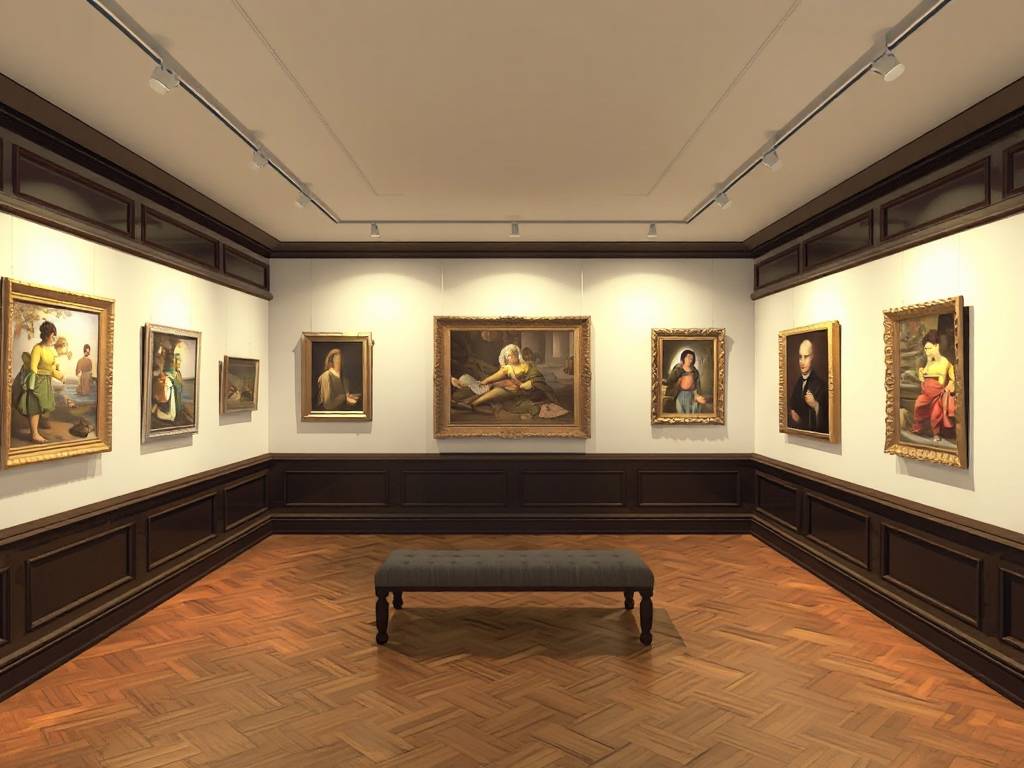
Ultimately, the Art Gallery Simulator VR Exhibition Expansion is more than a feature list. It is the foundation for a new kind of shared cultural space. It recognizes that the future of art appreciation is not just about looking at a screen, but about inhabiting a space. It’s about the stories we tell through curation, the communities we build around shared interests, and the boundless creativity that is unleashed when we are given the tools to shape our own worlds. You start as a visitor, become a creator, and ultimately, emerge as a host—welcoming the world to step inside your imagination and see art through your eyes. The blank virtual canvas awaits; what will you create?