 admin
admin The first thing you notice isn't the heat, but the sound. A low, menacing roar that seems to come from everywhere at once, punctuated by the sharp crackle of consuming timber. Then, the wind hits—a hot, gritty gust that stings your virtual cheeks. In the distance, an orange glow licks at the base of a towering plume of smoke that blots out the sun. Your pulse quickens. This is no longer your living room; you are on the front lines of a wildfire, and the weight of the hose in your hands feels unnervingly real. This is the immersive, heart-pounding experience of "Firefighter Simulator VR: Wildfire Missions," a game that transcends entertainment to become a visceral, educational, and deeply respectful tribute to one of the world's most dangerous professions.
For decades, firefighting games have been confined to flat screens and button-mashing controls. "Firefighter Simulator VR" shatters that paradigm. It leverages the full power of virtual reality to place you directly inside the chaos. The sense of presence is absolute. You don't just command a character; you are the firefighter. You physically reach over your shoulder to grab the hose, use both hands to control its powerful spray, and duck as embers swirl dangerously close to your face. This level of physical engagement is the core of its appeal, transforming a gaming session into a demanding, full-body task that is both exhausting and incredibly rewarding.
Before you can even think about tackling a raging inferno, the game wisely introduces you to your tools. The fire station acts as your interactive tutorial. Here, you can freely practice with the essential firefighter equipment. The haptic feedback in the VR controllers is crucial. You feel the distinct weight and vibration of the high-pressure hose, the solid click of connecting it to a hydrant, and the heft of the powerful chainsaw you'll use for creating firebreaks. Mastering these tools in a safe environment is the first step in building the muscle memory and confidence you'll desperately need when the real fires start. This initial familiarization process is a key part of the VR firefighter training simulation that the game provides.
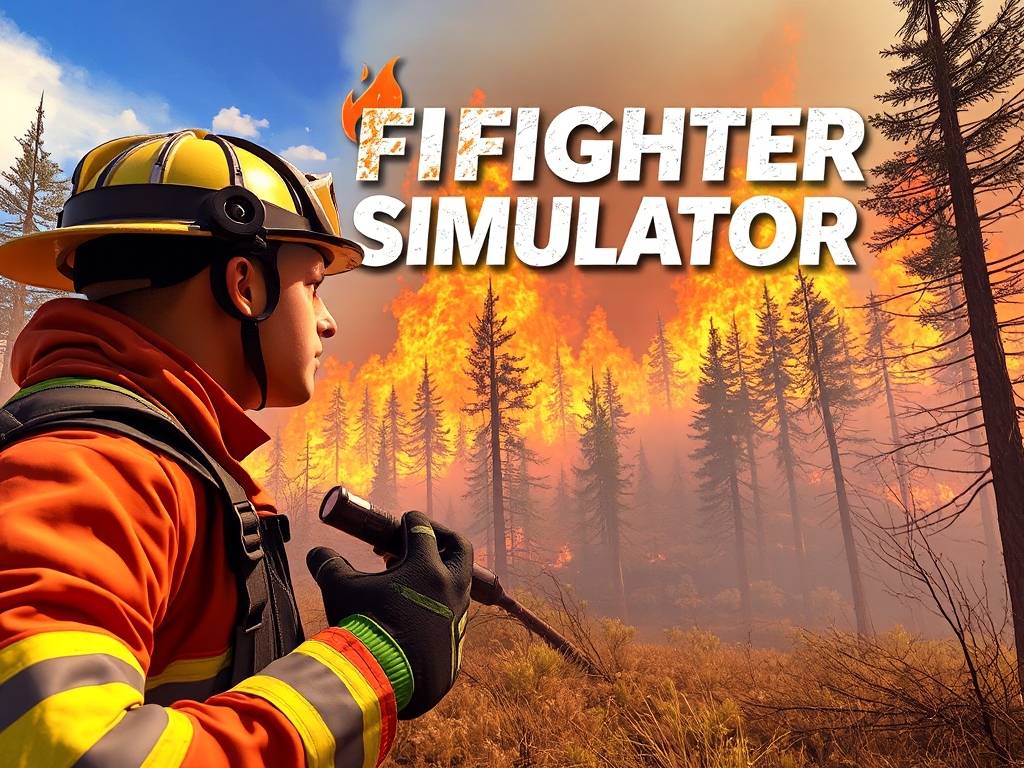
Wildfire Missions are the heart of the experience, and they are structured with a compelling mix of freedom and tactical progression. You won't start by saving an entire town; you'll begin with smaller, more manageable blazes to learn the fundamentals. Each mission is a dynamic puzzle where fire is your ever-changing opponent. The game brilliantly simulates fire behavior. It responds to wind direction, fuel sources, and your own actions. Spraying water at the base of the flames reduces their intensity, while a well-placed firebreak can starve the advancing front and save a structure moments from being engulfed. This isn't about mindless spraying; it's about strategy, observation, and resource management.
Your primary objective is always the protection of life and property. This translates into a series of critical, on-the-ground decisions. A typical mission might unfold like this: You arrive at the scene in your rugged fire engine, the radio chattering with updates. A row of cabins is threatened, with the fire advancing rapidly from the west. Your first step is triage. You must quickly assess which structures are savable and which are already lost causes. Deploying your hose, you start creating a defensive perimeter, soaking the roofs and walls of the most vulnerable cabins. The water pressure gauge on your hose nozzle is a constant concern; you must manage it effectively to maintain an effective stream.
Meanwhile, the fire doesn't wait. Spot fires, ignited by flying embers, can erupt behind your lines. You must constantly scan your environment, listening for the telltale crackle of a new ignition. This is where the game's sound design shines. The directional audio cues are vital for survival, allowing you to pinpoint threats you can't immediately see through the thick smoke. Using your tools strategically is paramount. The hose is your main weapon, but the chainsaw is your scalpel. You'll need to clear dry brush and fell dangerous, burning trees to create those crucial firebreaks, physically going through the motions of sawing and hauling debris.
As you progress, the missions escalate in scale and complexity. You'll face suburban interface fires, where defending homes on the wildland edge requires meticulous planning and rapid execution. You might be tasked with coordinating water drops from air support, marking safe zones for helicopters with your flare gun. Later missions could involve industrial fires with the added danger of hazardous materials, requiring you to identify chemical placards and use the appropriate suppressants. This progressive difficulty curve ensures that the game remains challenging and engaging, constantly introducing new mechanics and scenarios that test everything you've learned. It's one of the most intense and realistic virtual reality emergency response games available.
Beyond the adrenaline rush, the game fosters a profound sense of respect for the real-world profession. The sheer physical and mental toll of wildfire fighting becomes palpable. You experience the disorientation of thick smoke limiting your visibility, the stress of a dwindling water supply, and the frantic race against a wind shift that could render all your efforts useless. This empathetic understanding is perhaps the game's greatest achievement. It's not just a game; it's a window into a world of courage and sacrifice, making it a powerful tool for public awareness.
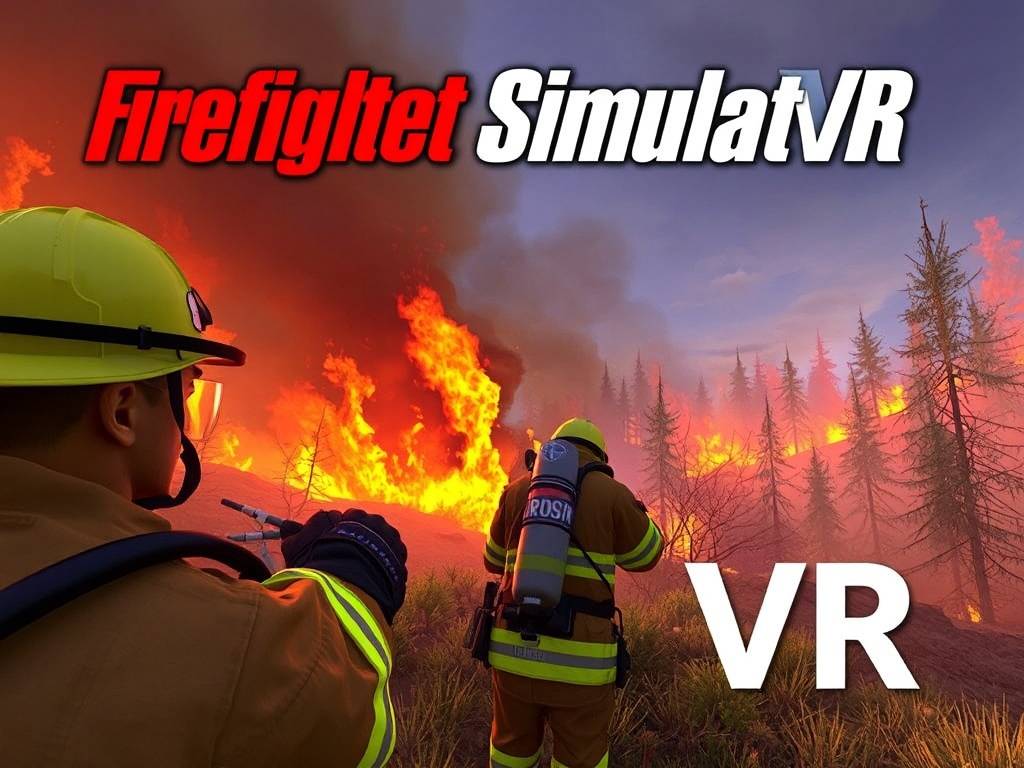
For those looking to master the simulation, a few advanced strategies can mean the difference between success and a smoldering ruin. First, always prioritize the fire's path. Don't just fight the flames in front of you; look ahead and anticipate where it's going next. Creating a firebreak upstream of a valuable asset is often more effective than defending it directly once it's surrounded. Second, master water management. Short, controlled bursts are more effective than a continuous, wasteful spray. Use the "peel and roll" technique in the game—extinguishing a section thoroughly before moving on—to ensure the fire doesn't rekindle behind you. Finally, use your ears. The audio landscape is filled with information, from the changing roar of the fire to the creak of a failing structure.
The social aspect of the game adds another layer of depth and enjoyment. In multiplayer mode, the experience transforms into a test of teamwork and communication. You and your friends can assume different roles—one person operating the fire engine's pump, another on the hose line, a third performing search and rescue or operating the chainsaw. Clear, calm communication becomes as important as your aim with the hose. Yelling "Switching to foam on the left flank!" or "I need water pressure now!" creates an incredibly authentic and cooperative dynamic that is both chaotic and immensely satisfying when a mission is successfully completed. This multiplayer functionality solidifies its place as a top-tier cooperative VR simulation.
Ultimately, "Firefighter Simulator VR: Wildfire Missions" succeeds on multiple levels. As a piece of entertainment, it is thrilling, unique, and deeply engaging. As a simulation, it offers a surprisingly authentic and educational glimpse into the science and strategy of wildfire suppression. And as an experience, it builds a powerful, visceral appreciation for the brave men and women who face these terrifying conditions in reality. It’s a challenging, often humbling journey into the fire, one that leaves you with a greater understanding of both the destructive power of nature and the human courage required to stand against it.




发表评论