 admin
admin Imagine standing inches away from a delicate 18th-century Meissen porcelain figure, able to lean in and observe the intricate brushstrokes that define the blush on a shepherdess’s cheek. Now, imagine doing this from your own living room, with no fear of damaging the priceless artifact. This is the new reality being crafted by the "Doll Museum VR" as it embarks on its most ambitious project to date: the significant expansion of its virtual porcelain doll collection.
For years, the museum has been a pioneer in using virtual reality to democratize access to the nuanced world of doll artistry. Their current collection offers a fascinating journey through history, but the team recognized a notable gap. The Porcelain Room, while beautiful, felt more like a curated highlight reel than a comprehensive archive. The goal of this expansion is not merely to add more models, but to build the world's most definitive digital repository of porcelain doll history, transforming a niche interest into an immersive, global educational experience. The primary driver is preservation. These dolls are fragile; time, light, and environmental fluctuations are their enemies. By creating high-fidelity 3D models now, the museum is building a digital ark, ensuring that the artistry and cultural stories embodied in these figures survive for centuries, regardless of what happens to the physical objects.
The process of bringing a porcelain doll into the VR space is a meticulous dance between art and science. It begins long before any scanner is powered on. The curatorial team, including historians and conservators, selects each doll based on its historical significance, artistic merit, and the unique story it tells. A doll from the French fashion craze of the 1860s might be chosen alongside a humble folk doll from rural Germany, creating a rich tapestry of social history. Once selected, the real magic begins in a specially designed photography lab. The doll is placed on a rotating platform, and a bank of high-resolution cameras captures hundreds, sometimes thousands, of images from every conceivable angle. This technique, known as photogrammetry, allows software to reconstruct the object in three dimensions with astonishing accuracy. The challenge with porcelain is its reflective surface. To combat this, conservators use specialized polarized lighting and matte sprays that temporarily eliminate glare without harming the delicate glaze.
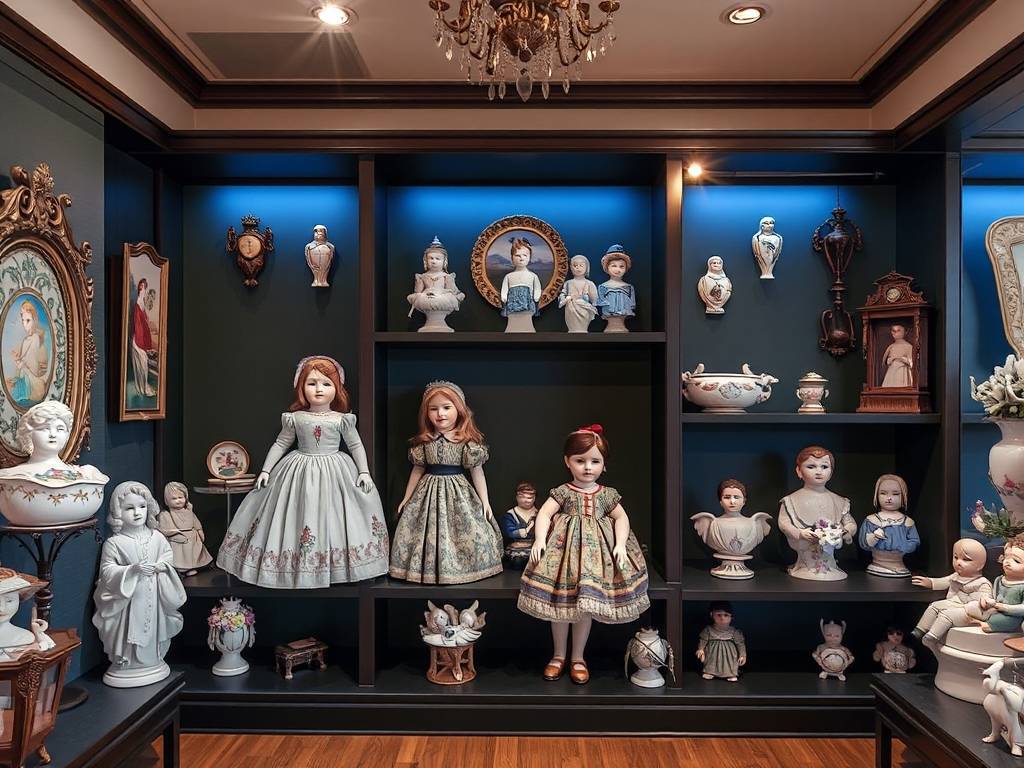
The data captured is then a digital clay, ready to be sculpted by 3D artists. They painstakingly clean the model, filling in any gaps in the data and ensuring the geometry is perfect. The next stage is all about texture. The original photographs are mapped onto the 3D model, a process that requires an artist's eye to ensure the patterns on the doll's dress align perfectly and the subtle gradients of the painted facial features are true to life. This is where the soul of the doll is translated into the digital realm. The final, and perhaps most transformative, step is the integration of the doll into its virtual environment. For this expansion, the museum is moving beyond simple display cases. Each doll will be situated in a contextual diorama. A Regency-era doll might be placed in a miniature Georgian drawing-room, while a character doll from a Hans Christian Andersen tale could be set against a whimsical, storybook backdrop. This contextualization is key to moving from a simple catalog to an engaging narrative experience.
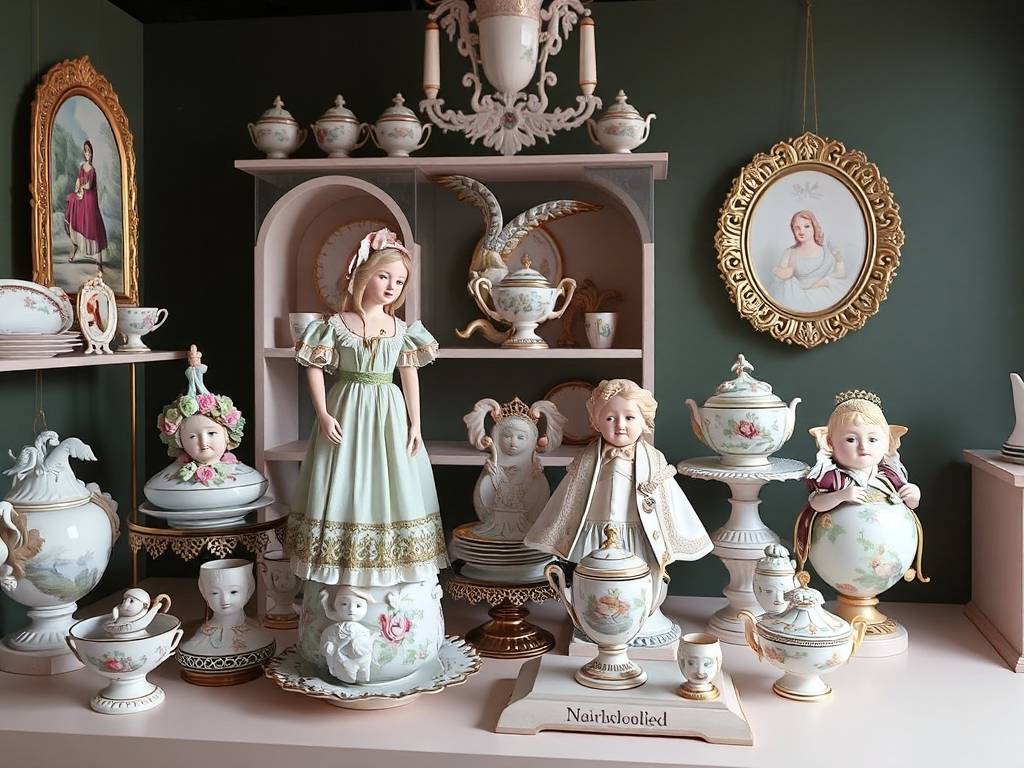
For the visitor, the expansion will redefine what it means to "visit" a museum. Upon entering the "Doll Museum VR" app and selecting the new Grand Porcelain Hall, you will no longer be a passive observer behind a velvet rope. You are a ghost in the gallery, free to float and explore. The scale of the new virtual space is designed to evoke wonder. Soaring ceilings and grand arches house the collection, which is organized not just by date, but by theme, manufacturer, and artistic movement. You can choose to follow a chronological path from early German bisque dolls to the elegant French Fashion Ladies, or you can explore thematic tours like "Fairy Tales in Porcelain" or "The Industrial Revolution and the Doll."
The interactivity is where the experience truly comes alive. Using your VR controllers, you can reach out and "pick up" any doll. The physics engine allows you to turn it over in your virtual hands, examining the maker's mark stamped on the back of the neck, a detail often invisible in a physical museum setting. A gentle zoom function lets you study the fine crackle in the glaze or the individual hairs of a painted eyebrow. Clickable hotspots on the doll or its environment trigger audio narrations. You might hear a curator explain the significance of a particular doll's mold number, or a historian describe the social context that made such a toy popular. For major pieces, short, animated vignettes will play, showing the doll as it was meant to be—a child's cherished companion in a historical setting.
This expansion directly addresses several key user questions and needs. For the collector and enthusiast, it offers an unprecedented level of access for research and pure appreciation. No longer limited by geography or the fragility of the objects, they can study the nuances of a Kestner doll's face paint and compare it directly with a similar Simon & Halbig model side-by-side, something impossible even in the world's best physical museums. For educators and students, this becomes a powerful pedagogical tool. A teacher can take an entire class on a virtual field trip to explore Victorian culture through the dolls of the era, using the embedded historical notes and curated tours to bring textbook chapters to life. For families and casual learners, the intimidation factor of a traditional museum is removed. Children can engage with history in a way that feels like play, discovering stories through interactive exploration rather than passive observation.
The scope of the new collection is vast. The initial phase aims to add over 200 new porcelain dolls, focusing on several key areas. A major acquisition is a dedicated wing for French Poupées de France from the mid-19th century, showcasing the unparalleled artistry of makers like Bru and Juneau, known for their exquisite fashion and lifelike glass eyes. Another significant segment expands the representation of German bisque dolls, the workhorses of the European doll industry, with a focus on the diverse output of firms like Armand Marseille and KR. Furthermore, the museum is making a concerted effort to include dolls from beyond Western Europe, seeking out porcelain and china-headed dolls from American manufacturers and exploring the unique traditions of Japanese ichimatsu* dolls, thereby presenting a more global perspective on the art form.
Looking beyond the initial launch, the "Doll Museum VR" has a roadmap for continuous innovation. Future updates plan to incorporate multi-user functionality, allowing friends or students to explore the gallery together, meeting as avatars to discuss their favorite finds. The team is also experimenting with haptic feedback technology, which could one day simulate the cool, smooth weight of a porcelain doll in your palm. There are even plans for "creator studio" features, where advanced users could access the 3D models to create their own virtual exhibitions or 3D-print miniature replicas for study.
In essence, this expansion of the porcelain collection is more than an update; it is a fundamental re-imagining of cultural heritage preservation and access. It shatters the barriers of the display case, transforming the porcelain doll from a static, silent object into a dynamic storyteller. It ensures that the legacy of the artisans who created these miniature marvels is not locked away in a vault, but is instead given a new, vibrant, and eternal life in a realm without borders or physical limits. The "Doll Museum VR" is not just building a collection; it is nurturing a global community of learners, enthusiasts, and dreamers, all connected by a shared passion for these beautiful fragments of history.



发表评论