 admin
admin The screen fades from black, not to a menu, but to a soft, predawn glow. You’re seated in the open back of a rugged 4x4 vehicle, the air cool and carrying the faint, earthy scent of damp soil and wild sage. A gentle vibration thrums through the seat, and in the distance, a lone hyena whoops, its call answered by another far to the left. You’ve just put on the headset, but you are already there. This is the "Safari Simulator VR: African Adventure," and it is more than a game; it is a passport to the heart of the wild.
Your guide, a warm, knowledgeable voice named Anya, speaks softly through the immersive spatial audio. "Welcome, explorer. Dawn is the best time to be out here. The animals are most active. Keep your eyes sharp and your wits sharper." You instinctively reach down, and your hands find the familiar weight of virtual binoculars. Lifting them to your eyes, the world snaps into sharp, magnified focus. This is the core of the virtual safari experience—a level of detail that makes you forget you are in your living room. The vehicle begins to move with a low rumble, following a dusty track that cuts through the golden savanna.
The first hour is a masterclass in patience and observation, a key part of any authentic wildlife safari tour. You learn to read the landscape. A flick of an ear in the tall grass becomes a clue; a sudden silence among the birdsong, a warning. You spot a herd of impala, their coats glowing in the rising sun, grazing nervously. Then, you see why. A pride of lions is sprawled under an acacia tree, their bellies full, cubs tumbling over their sleepy parents. Through your binoculars, you can see the individual scars on the male’s muzzle, the flies buzzing around his mane. It’s a breathtaking sight, but it’s just the beginning. This immersive wildlife encounter is designed to educate as much as it is to awe.
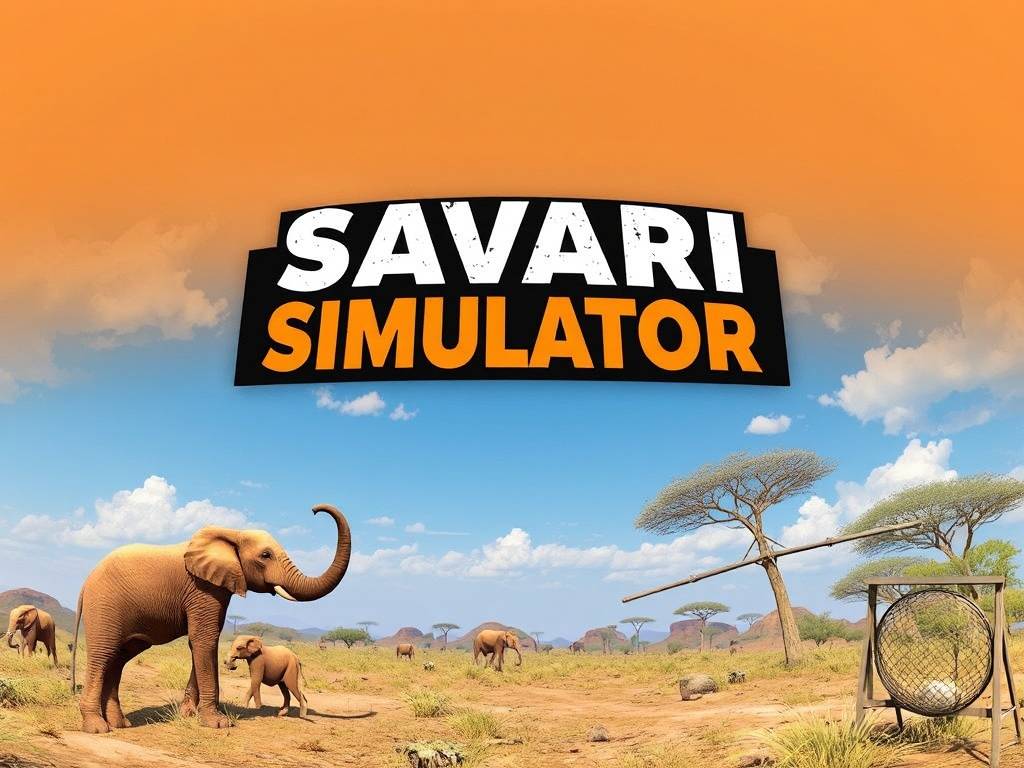
As the virtual sun climbs higher, Anya directs the driver toward a watering hole. This is the theater of the wild, and today’s matinee is packed. A massive bull elephant, his tusks gleaming, is spraying water over his back while his family wades in the shallows. A troop of baboons squabbles at the water’s edge, and a watchful giraffe stoops in an impossibly graceful arc to drink. Suddenly, a crocodile, which had been masquerading as a log, explodes from the water. The action is sudden, brutal, and over in seconds. It’s a raw, unfiltered moment that highlights the delicate balance of life and death in this ecosystem. The realism is staggering, a testament to what a top-tier VR nature exploration game can achieve.
The adventure doesn’t stop at the savanna. The simulator features multiple distinct biomes, accessible through your in-field guidebook. One moment you are tracking a rare black rhino through dense, thorny scrubland, the next you are poling silently through the Okavango Delta in a traditional mokoro canoe. Here, the soundscape changes completely. The buzz of insects is thicker, the calls of exotic birds more frequent. You glide past hippos submerged up to their eyes, their deep grumbles vibrating through the hull of your virtual canoe. This biome-hopping capability makes this African adventure simulation one of the most comprehensive virtual tours available.
Interactivity is what separates a simple video from a true simulator. Your equipment is your key to deeper engagement. You have a high-resolution camera for capturing stunning wildlife photography. A tap of a button switches to a thermal imager, perfect for spotting nocturnal creatures hidden in the brush. Later, as night falls, you use it to watch a serval cat hunt for rodents, its heat signature a bright bloom against the cool ground. You also have a field journal that automatically logs every animal you identify, complete with behavioral notes and fun facts. This transforms the experience from passive viewing into active, educational discovery.
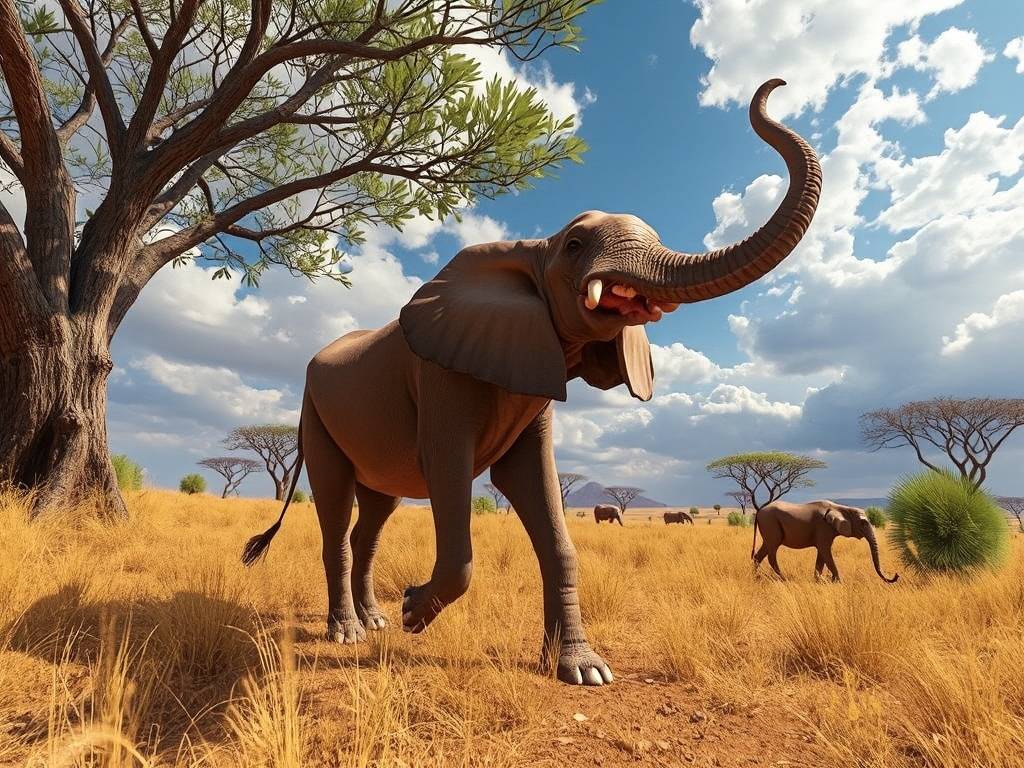
Perhaps the most profound moment comes during the "Balloon Safari" mode. You step from the jeep into a waiting hot air balloon basket. As the burner roars and you lift off, the savanna unfolds beneath you like a living map. Herds of wildebeest appear as moving, dark streams; the giraffes become lanky silhouettes against the termite mounds. The silence at this altitude, broken only by the occasional blast of the burner, is profoundly peaceful. It offers a perspective on the scale and majesty of the wilderness that is impossible to get from the ground. This is the ultimate serene virtual reality escape.
For those seeking a different kind of thrill, the "Conservation Ranger" missions offer a compelling narrative. You are tasked with tracking poacher camps using clues and drone footage, de-snaring trapped animals, and documenting the impact of human activity. These missions are poignant and purposeful, adding a layer of meaningful context to the beauty you’ve witnessed. They underscore the real-world challenges these ecosystems face, making the simulator not just entertaining, but impactful. It’s a powerful tool for virtual environmental education.
So, how do you ensure you get the most out of your digital safari? First, take your time. The best sightings often come to those who wait. Sit silently at a watering hole for ten minutes and watch the drama unfold. Second, use all your tools. Switch between your binoculars, camera, and thermal imager frequently. You’ll be amazed at the details you uncover. Third, don’t just look for the big animals. The smaller creatures—the colorful agama lizards, the industrious dung beetles—are just as fascinating. Finally, play with the settings. Adjust the time of day, or even the season, to see how the behavior of the animals and the mood of the landscape completely transform. This is your personal, on-demand window into the wild.
As your journey concludes, the vehicle parks on a rocky outcrop overlooking the vast, endless plains. The sun begins to set, painting the sky in shades of orange, purple, and red. A herd of elephants moves slowly in the distance, dust kicking up around their feet. You take off the headset, and the real world rushes back in. But the feeling of having been somewhere else, of having witnessed something truly magnificent, lingers. The dust of the savanna may be virtual, but the wonder it inspires is completely, undeniably real. This is the magic of this technology—it doesn’t just show you a place, it makes you feel like you’ve truly been there, expanding your understanding and appreciation for a world far beyond your own.


发表评论